How Community Health Centres Are Changing the Health and Wellness Landscape in Niagara
This is an event recording of the October 21st, 2015 webinar with presenters Jenny Stranges, Jeanne Schmidt, Alison Behring & Lori Kleinsmith. Seventy-five participants joined this event from 32 different organizations across Niagara. During this webinar, presenters: Reviewed the CHC approach to [...]

Niagara’s Changing Economic Structure: Policy Brief #24
This 8-page brief outlines the employment trends in Niagara from 2004 to 2014, illustrating the continuing trend in the decline of the manufacturing sector as a major employer. The brief also illustrates the change in the size of businesses operating [...]
Taking the Next Step Forward: Building a Responsive Mental Health and Addictions System for Emerging Adults
The Mental Health Commission of Canada (MHCC) has identified “youth transitions” as a significant area of mental health policy concern. This report considers the current state of Canadian and international policies and programs that support youth with mental health problems and illnesses transitioning into [...]

Report From the Canadian Chronic Disease Surveillance System: Mental Illness in Canada 2015
This report, Mental Illness in Canada, 2015 is the first publication to include administrative health data from the Canadian Chronic Disease Surveillance System (CCDSS) for the national surveillance of mental illness. It features the most recent CCDSS data available (fiscal [...]

The Road to Empowerment Project: Developing Self Advocacy and Cause Advocacy Skills Across Niagara (Final Summary Report)
The Road to Empowerment is a community development project coordinated by three Niagara region Community Health Centres (CHCs): Bridges Community Health Centre (Fort Erie and Port Colborne), Niagara Falls Community Health Centre and Quest Community Health Centre (St Catharines). The [...]

Federal Election Turnout in Niagara: 2004-2011
This infographic displays voter turnout in Niagara ridings for the four federal elections conducted in 2004, 2006, 2008 and 2011. It also includes the reasons why people don't vote, as per a Statistics Canada survey done Canada-wide in 2011. Published By: Brock University [...]

Niagara Region Agri-Food Strategy
The draft 2015 Niagara Region Agri-Food Strategy was developed between November, 2014 and March, 2015. It was presented to the Niagara Region Agricultural Policy and Action Committee on April 10, 2015. The Strategy Work Plan is being finalized for presentation [...]
The Impact of SafeTALK Training on Suicide Prevention and a Culture of Health and Safety in Niagara: Event Recording
Suicide can affect anyone and it is estimated that 1 individual dies by suicide every 8 days in Niagara. Since its development in Calgary in 2006, safeTALK has been used to train people in over 20 countries around the world. [...]

Green City: Why Nature Matters to Health – An Evidence Review
This report focuses on the impact green space has on health outcomes and the characteristics that may modify the impacts. The meta-narrative systematic review includes literature that examines urban green space and physical health, mental health and wellbeing. Author: Tara Zupancic, [...]

Healthy Rural Communities Toolkit: A Guide for Rural Municipalities
This tool kit is intended for use by municipal planners, health unit staff and elected officials in rural communities. It will also help other interested community members advocate for healthier communities and populations. This tool kit identifies land use and development [...]
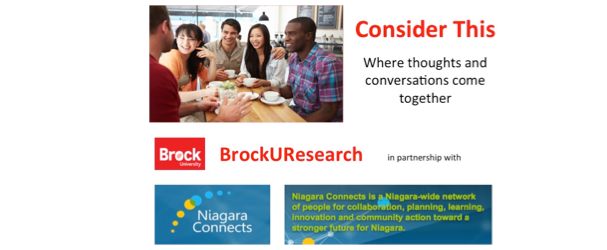
Consider This: Helping Children with Reading Challenges (Podcast)
For children with conditions such as dyslexia, learning to read can be a real struggle. It’s hard not to let discouragement and frustration derail the learning process. But it doesn’t have to be this way. Programs to motivate vulnerable readers [...]

Getting There: Business Case for a Model of Centrally-Dispatched Access to Health and Human Services for Niagara’s Most Vulnerable People
Access to health and human services for the most vulnerable members of the Niagara community is a priority for local social organizations and government bodies that provide community services. This report is a summary of the Getting There Business Case. [...]

Mapping Mental Health Crisis Services in the Niagara Region: Towards Improved Integration and Coordination of Services
The Canadian Mental Health Association of Niagara (CMHA), in collaboration with mental health and addiction service providers of Niagara Region, acknowledged the need to conduct an overview of crisis services in Niagara Region. This type of work has never been [...]

Evaluation of SafeTALK Training in a Convenience Sample of 500 Niagara Region Residents, Health Professionals and Volunteers
Suicide is a serious issue in the Niagara Region. A 2011 report found that Niagara residents were ready for, and would benefit from suicide awareness programs; in particular males and young people. The SafeTALK workshops were delivered to 500 individuals [...]
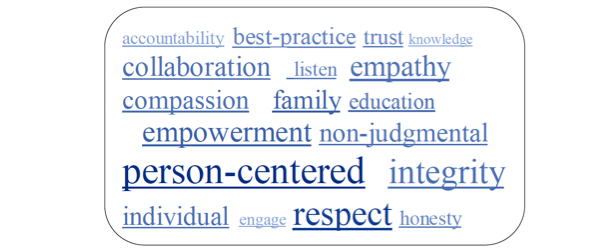
Implementing the Niagara Mental Health and Addictions Charter: Focus Area Group Discussion Themes Summary
On November 12, 2014, fifty (50) people gathered for the initial Niagara Mental Health and Addictions Charter Implementation Phase working session. As a result of their work together, the following focus areas for examining essential building blocks to construct the [...]

Measuring Water Efficiency in Tender Fruit Orchards
In 2013, the Ontario Tender Fruit Producers Marketing Board conducted a project to evaluate the usefulness of soil moisture monitoring devices in Ontario tender fruit orchards. Using different soil moisture monitoring equipment and uploading the information to a website, the [...]
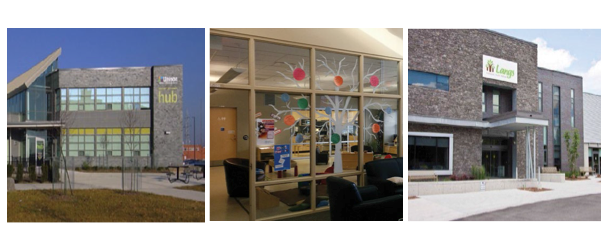
Community Hubs in Ontario: A Strategic Framework and Action Plan
A community hub can be a school, a neighbourhood centre or another public space that offers co-located or integrated services such as education, health care and social services. Each hub is as unique as the community it serves. The Advisory [...]
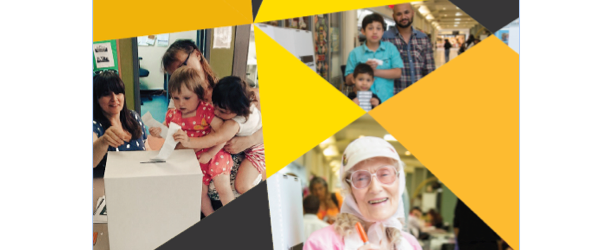
Vote Pop Up: A Kit for Community Groups to Ignite Voter Participation
Vote PopUp is an easy-to-use, do-it-yourself kit designed to give first-time or infrequent voters the opportunity to practice casting a ballot prior to the election and to affirm their commitment to political participation. It also provides groups an excellent opportunity to connect [...]

Sport Legacy in Niagara: Before and After 2015
This policy brief explores the hosting of sporting events as a public policy strategy. It reviews case studies and links directly the the Pan American 2015 Games. The brief concludes with suggested questions for stakeholders. Author: Martha Barnes & Carol [...]

How’s Life in the City? Life Satisfaction Across Census Metropolitan Areas and Economic Regions in Canada
This Economic Insights article provides an overview of the life satisfaction expressed by individuals in census metropolitan areas and economic regions across Canada. The results are based on data from the Canadian Community Health Survey and the General Social Survey. The extent [...]