
The Life Course Approach to Analyzing and Visualizing Niagara’s Top Health Issues
In 2017, Niagara Region Public Health took a Life Course Approach to analyzing and visualizing Niagara's Top Health Issues ("Top 10"). Forty-nine thousand lines of data from a variety of sources (Canadian Community Health Survey data, EMS transports, ED visits, [...]
Hunger Count 2016
In March 2016, 863,492 people received food from a food bank in Canada. This is 1.3% higher than the same period in 2015, and 28% higher than in 2008. The HungerCount report puts forward a number of policy recommendations to [...]

Immigration and Ethnocultural Diversity: Key Results from the 2016 Census
On Census Day, 21.9% of the population reported they were or had ever been a landed immigrant or permanent resident in Canada. This proportion is close to the 22.3% recorded during the 1921 Census, the highest level since Confederation. In 2016, Canada had 1,212,075 new immigrants who [...]

Housing in Canada: Key results from the 2016 Census
The housing landscape in Canada has changed over the past decade, against a backdrop of record low-interest rates since the 2008-2009 recession, increased construction of condominiums, and rising home prices. Having a home affects almost every aspect of life. As such, housing [...]
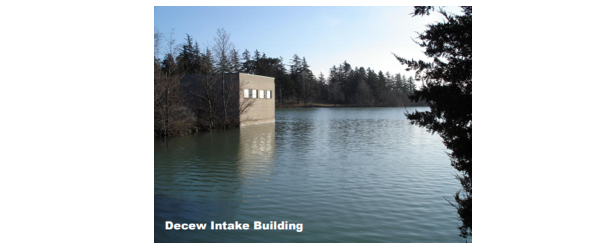
Source Protection Annual Progress Report
This annual progress report outlines the progress made in implementing the source protection plan for the Niagara Peninsula Source Protection Area, as required by the Clean Water Act and regulations.The goal of the plan is to protect drinking water quality [...]
Measuring Outcomes in Practice: Fostering an Enabling Environment for Measurement in Canada
There is growing recognition that the social and economic challenges affecting individuals and communities are highly interconnected. Measuring Outcomes in Practice, a new report from Mowat NFP’s Enabling Environment series, argues that to address the root causes of these challenges in a systematic [...]
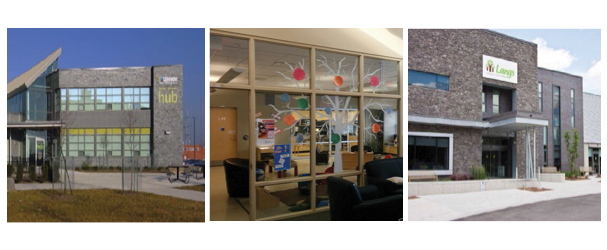
Two-Year Progress Report on Community Hubs in Ontario: A Strategic Framework and Action Plan
This report describes the progress made by the government of Ontario and its partners since the release of the one-year update of the Community Hubs in Ontario: A Strategic Framework and Action Plan. The report highlights progress in the following areas: [...]

Hospitalizations and Emergency Department Visits Due to Opioid Poisoning in Canada
The rise in harms associated with opioids is an issue of increasing public health importance in Canada. This report presents data on pan-Canadian hospitalizations and emergency department (ED) visits due to opioid poisoning, a costly and largely preventable harm. Published [...]

WHO Guidelines on Integrated Care for Older People
The provision of integrated care is key for older people. The WHO Guidelines on Integrated Care for Older People (ICOPE) propose evidence-based recommendations for health care professionals to prevent, slow or reverse declines in the physical and mental capacities of older people. [...]

Vital Signs: Belonging – Exploring Connection to Community
The 2017 national Vital Signs report is the third in a multi-year series focused on belonging, which has become an area of strategic focus for Community Foundations of Canada and many community foundations across the country. This year 39 communities in Canada [...]

Vital Signs: Arts and Belonging
Simply put, belonging is being part of a collective we. It’s about how much we believe we fit in a group or place – and how much that place or group welcomes or includes us. It’s the result of connecting [...]

2015 Performance Measurement Report
This report marks the tenth year of reporting results to the public, and the first year reporting nationally as opposed to the previous provincial-level benchmarking. From across Canada, there are 10 single-tier and 5 upper-tier municipalities (including Niagara), who have [...]

Digital Talent | Road to 2020 and Beyond: A National Strategy to Develop Canada’s Talent in a Global Digital Economy
Digital Talent: Road to 2020 and Beyond is Canada’s first national digital talent strategy. It highlights the opportunities and challenges facing Canada’s digital economy and underscores the importance of digital talent as one of the most critical advantages for Canada [...]

Utility Self-Voicing Access Inter-Relationality (USAI) Research Framework: Second Edition (Ontario Federation of Indigenous Friendship Centres)
The USAI Research Framework takes its acronym from the four principles of ethics that guide it: Utility, Self-voicing, Access, and Inter-relationality. Our work is faithful to Indigenous identity, harmoniously inscribed within the four directions of the medicine wheel. Our approach [...]

Canadian Observatory on Homelessness Policy Brief: Towards an Ontario Youth Homelessness Strategy
When the Province of Ontario released A Place to Call Home, the report of the expert advisory panel on homelessness, youth homelessness was identified as one of four priority areas for the government. This policy brief applauds these efforts and [...]

Youth Reconnect Works
This report is the first major review of our Youth Reconnect program. Utilizing data collected over the past 6 years and with a sample size of over 500 youth an external researcher was hired to analyze the data and determine [...]

Low Income Among Persons with a Disability in Canada
Some groups face higher risk of low income than others: recent immigrants, Aboriginal people, lone parents, unattached people aged 45 to 64, and persons with a disability. For this reason, policies and programs designed to reduce poverty have often been based [...]
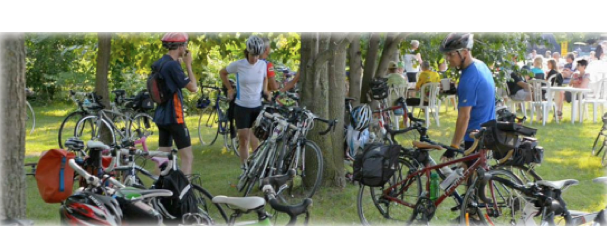
Niagara Cycling Tourism Centre Research Project: Executive Report
The Niagara Cycling Tourism Centre is dedicated to providing extensive resources to visitors looking to explore Niagara by bike. The Centre helps cycling enthusiasts find route and trail maps, cycle-friendly destinations, services and travel information within the Niagara Region. The [...]
Household Income in Canada: Key Results from the 2016 Census
The median total income of Canadian households rose from $63,457 in 2005 to $70,336 in 2015, a 10.8% increase. This one-page report provides an at-a-glance summary of key results from the 2016 Census. Published By: Statistics Canada Publication Date: September 2017 View Household Income in Canada: Key Results from [...]

Continuing the Conversation about Homes, Communities and Canadians: 2017 Recommendations on the Federal Role
This report, published by the Canadian Home Builders' Association, outlines key national statistics, reviews the new fundamentals of supply and demand currently impacting the system, and presents 3 recommended policy solutions for the Federal Government. Published By: Canadian Home Builders' Association [...]