This research aimed to better understand consumer perceptions of date labels and assessed how knowledge, attitudes, and personal values influence food waste behaviours. Based on a survey of 954 participants from a Canadian population, the research was conducted by
Dalhousie University’s Agri-Food Analytics Lab.
Results quantify the annual cost of food waste related to Best Before dates confusion in Canadian households. Key findings include:
- 30% of Canadians don’t know the meaning of the Best Before date label. Four in ten throw out food past its Best Before date even when it’s still edible.
- 73% look, smell, and taste food to assess edibility when the Best Before date has passed. Yet 63% still rely solely on that date to decide whether it’s safe to eat.
- 2 in 3 take food costs into account when deciding whether to consume products past the date.
- On average, Canadian households discard $246 worth of food each year due to Best Before dates confusion.
As the Canadian Food Inspection Agency (CFIA) clarifies, the Best Before date only indicates how long an unopened product will maintain its optimal quality — such as freshness and flavour — when properly stored, not its safety. Products with a shelf life longer than 90 days are not required to carry a Best Before date.
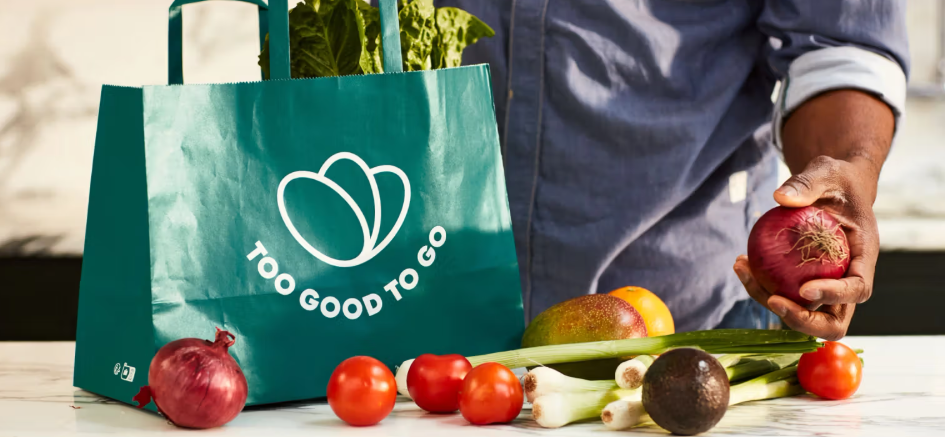
This research was commissioned by Too Good to Go – a certified B Corp global social impact company that connects users with partners to rescue unsold food and stop it from going to waste. The Too Good To Go ‘Look-Smell-Taste‘; initiative aims to help consumers trust their
senses when products are past their Best Before date or when there is no date; this initiative was launched in Canada in 2024,
Publication Date: November 18, 2025
Published by: Too Good To Go and Agri-Food Analytics Lab, Dalhousie University
Click here to access New Study Reveals How Much Best Before Dates Confusion Costs Canadian Households
Click here to access What is the Impact of Food Waste on the Environment?